Master Community 2

On February 19th the second Master Community of the year took place! The subject of this master community was multidisciplinary projects, internships and the additional thesis.

In the MSc track Hydraulic Engineering there are 10 EC’s that can be fulfilled by one of these three projects. The Master Community was organized to inform the students on the possibilities and to make them enthusiastic. Our students learned from Jeremy Bricker and Mark Voorendt the practical side of organizing one of these three possibilities followed by two students that shared their experiences. First off was Sebastiaan Woerlee, who talked about his multidisciplinary project in Mexico shortly after that Bob van Maris shared his internship at Witteveen + Bos at their office in Jakarta.

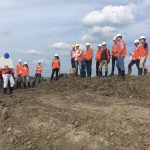
After the presentations the students had the opportunity to ask all their questions over some drinks and appetizers. The students got all the information they came for and we can conclude that Master Community 2 was a success!

Hydraulic Dinner December 2017

When the days are getting shorter and the sunny days make place for cool and windy times, people tend to spend more time together in a warm and cosy environment.  In such a setting, enjoying good food and plenty of wine, the winter is at its best. That is why the annual Hydraulic Dinner becomes an unforgettable evening time after time.

Last December, the Hydraulic Dinner took place in the heart of Amsterdam, in a beautiful house alongside one of the ‘grachten’ of the city. At this location, 24 hydraulic students met with four well-known hydraulic companies, enjoying a four-course menu. All students passed a selection in order to be able to participate, which resulted in an enthusiastic crowd.

Students could ask whatever they wanted to the companies that were present, which were Witteveen+Bos, Van Oord, Royal HaskoningDHV and Boskalis for this year’s version. Each company had an own table where every student had to pass by at least one time during the dinner, to share a course with the employees that were present. Besides, there was an opportunity for the students to hand in a unique question for one of the companies anonymously. These questions were all put into a hat, so that every single time one of the students had to ask a question from somebody else. This created a good balance between the conversations at the table and some central conversations due to these questions.

Apart from this, every company presented themselves in front of everybody by means of a powerpoint. We heard a lot of interesting stories concerning the working environment, company activities, ongoing projects and interesting opportunities.

The crowd that is attracted to the Hydraulic Dinner is always really diverse. Approximately half of the students is just starting their master and hence they are still orientating and trying to get an impression of all of the companies. The other half is trying to find an internship spot or a graduation project, making their goals entirely different. In addition, this year was the first time we welcomed international students to the Hydraulic Dinner, which turned out to be a huge success.

After all, it can be said that the evening was both inspiring and entertaining. I personally really enjoyed organizing it and I could not be happier about the result. We want to thank all attendants of the companies as well as the students who were present during this evening. For all the others: we hope to welcome you guys at next year’s version!

MTBS Company Case

Written by Servaas Kievits

During a successful lecture at the TU Delft with a full classroom, the new Hydraulic Engineering students got to know MTBS and their business a little and as many people got excited, the company case was only a logical next event to organize.

On the 6th of December this group of enthusiastic students assembled at the Oudehaven in Rotterdam where the office of MTBS is located in the White House. In this beautiful building, that is recognized by some as the first skyscraper of the Netherlands, MTBS had just opened a new floor so that the group of Hydraulic Engineering students were the first to try out the new desks and chairs.

After being welcomed by one of the directors, it quickly appeared that our friends from MTBS were not intending on only letting us try out the chairs but also wanted to put us to work. Following an introduction of the company the business case for that afternoon was unfolded: a challenging case study in which the students got a feeling on what a real MTBS project could look like. That a sophisticated model was used in this case troubled some minds at first but soon everyone had figured that out with a productive afternoon as the result.

By the end of the day, all groups had come up with an interesting solution to the challenge leading to an open discussion to conclude with. As, besides MTBS and some other companies, the White House houses a café, there was quickly agreed upon moving downstairs to end the day with drinks that were well deserved. With other employees joining, we were able to ask our final questions after which the day was concluded.

We would like to say a word of thanks to MTBS for hosting this wonderful event and providing us with an insight in the challenges they face daily.

MEX 2017

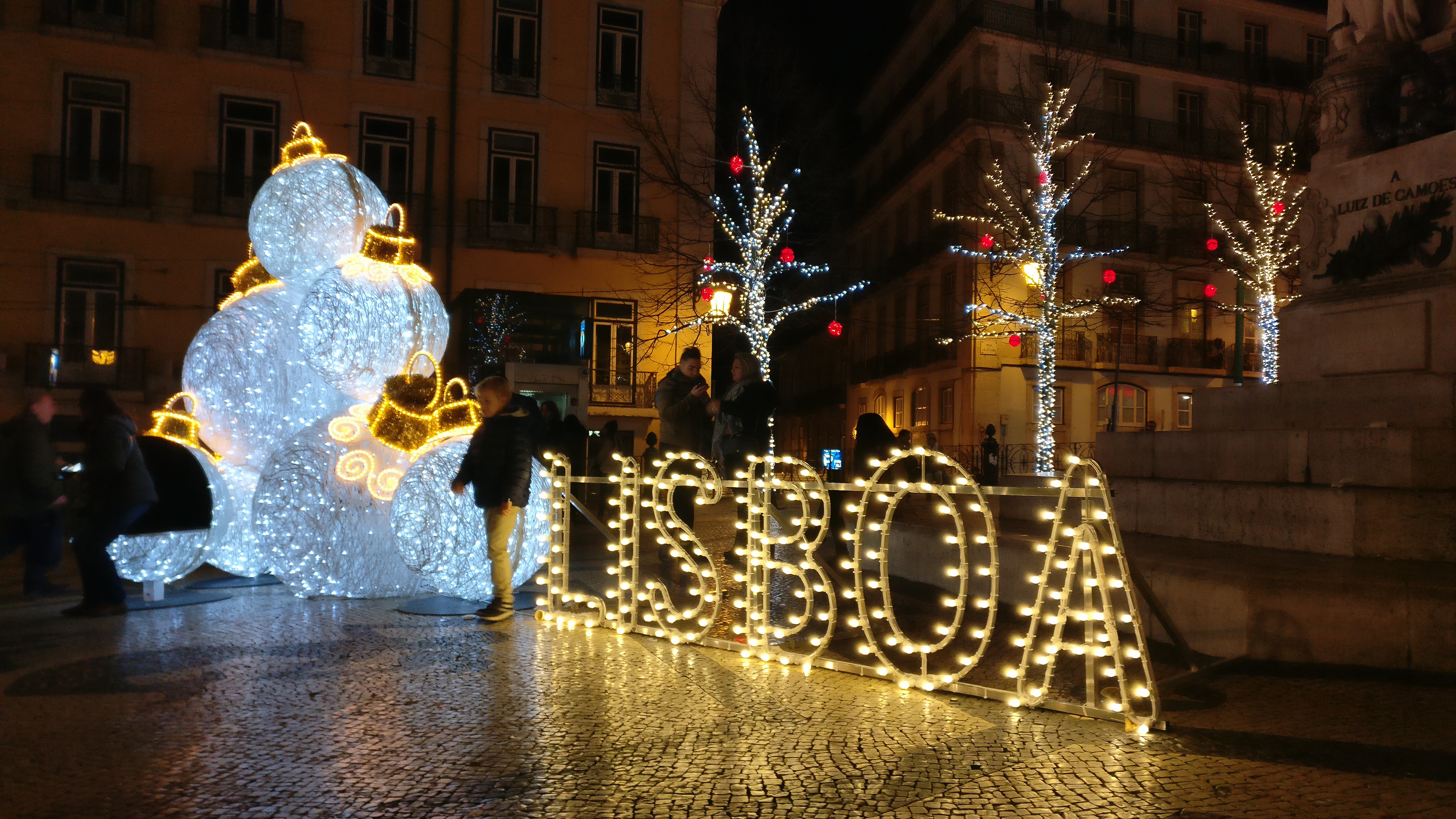
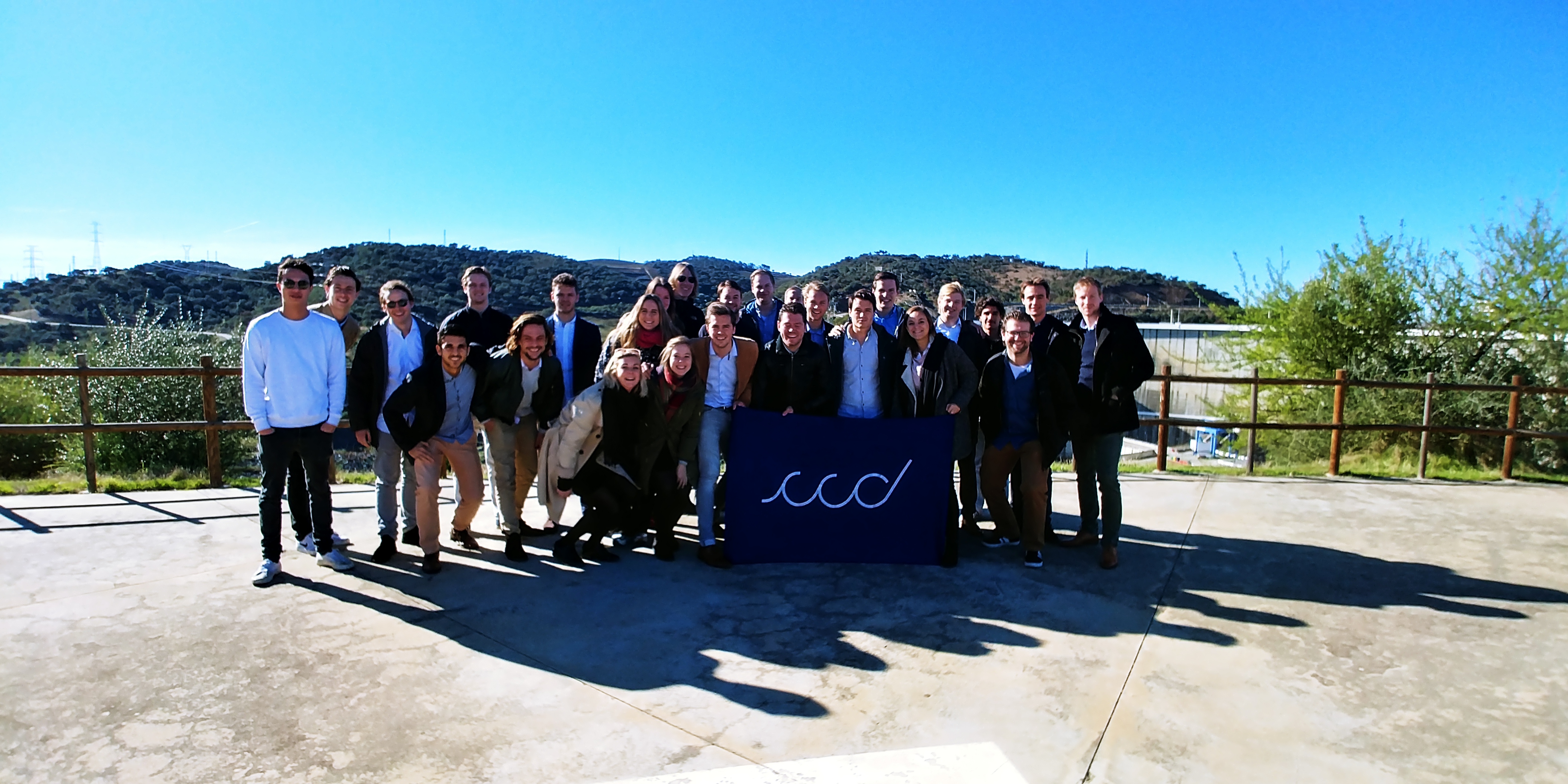
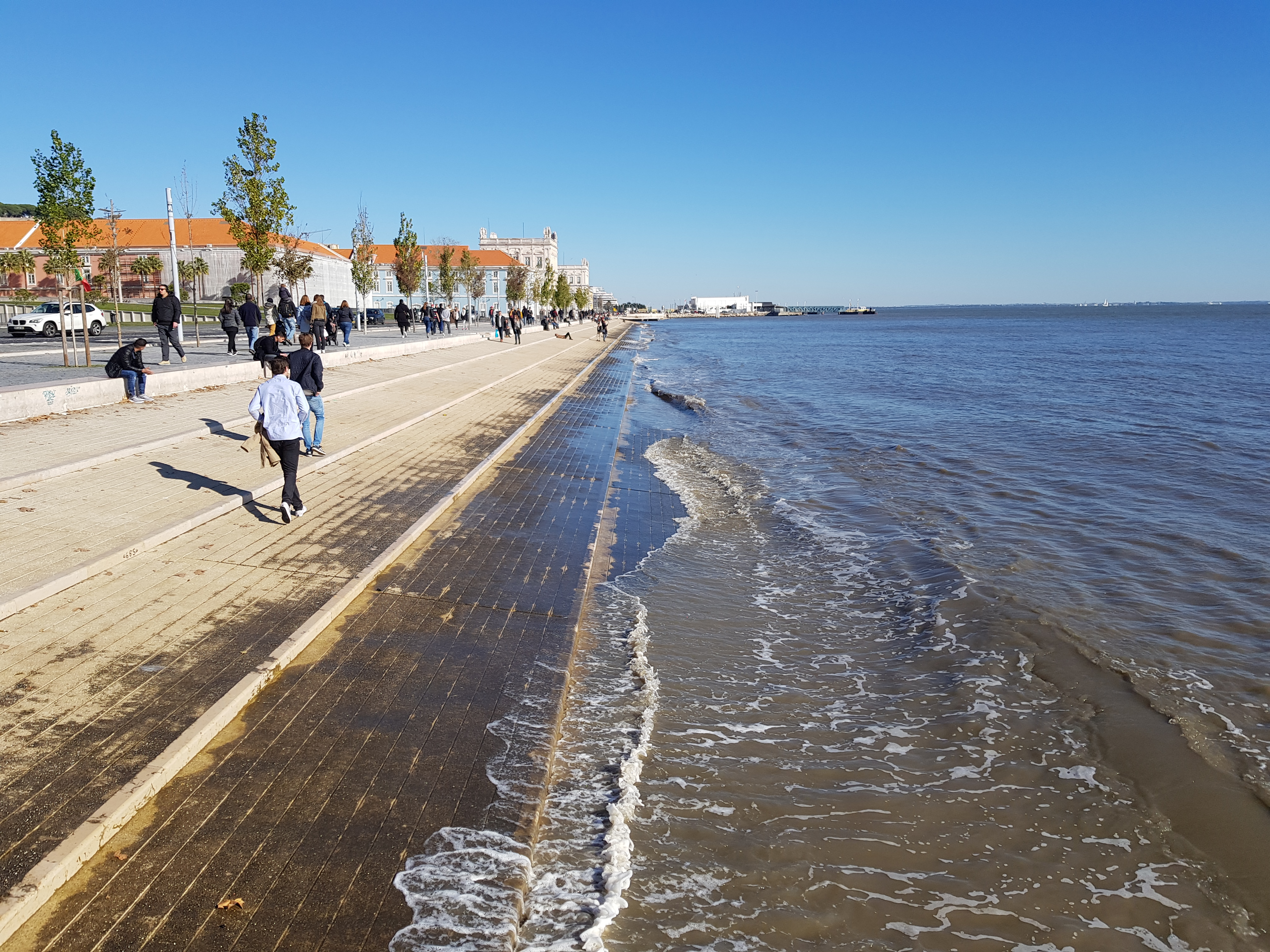
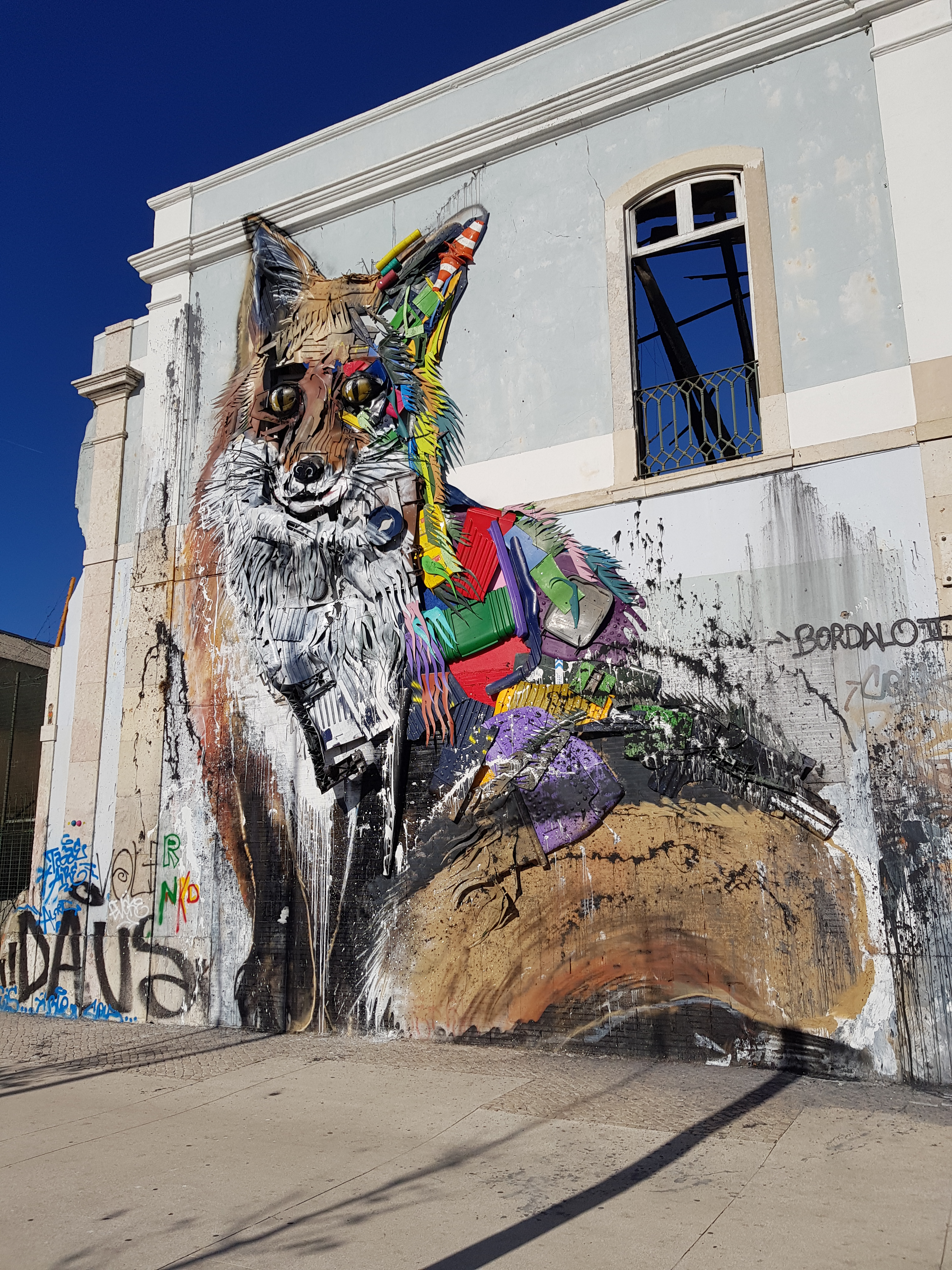
This year a group of 25 Hydraulic Engineering students as well as Tjerk Zitman and Sierd de Vries gladly exchanged the rainy streets of Delft with the sunny, warm hills of Lisbon for the 3 day excursion of 2017.

The city trip started off on a Thursday afternoon where everyone gathered at Schiphol airport and headed towards the check-in area together. After check-in, we enjoyed a cheeky beverage and then made our way to the plane. Everyone was scattered all over the place and new friends were made on the short 2,5-hour flight to Portugal.

Our bus chauffeur for the weekend met us with a friendly smile as we landed and took us to the beautiful Independante hostel in the center of the city. It is an old building that has been very well maintained over the years with its own beer garden and bar with happy hour each evening, the perfect place to get to know each other better. Once everyone was settled in we made our way to a tapas restaurant for dinner and spent the rest of the evening roaming the busy streets of Lisbon, including the famous Pink Street.

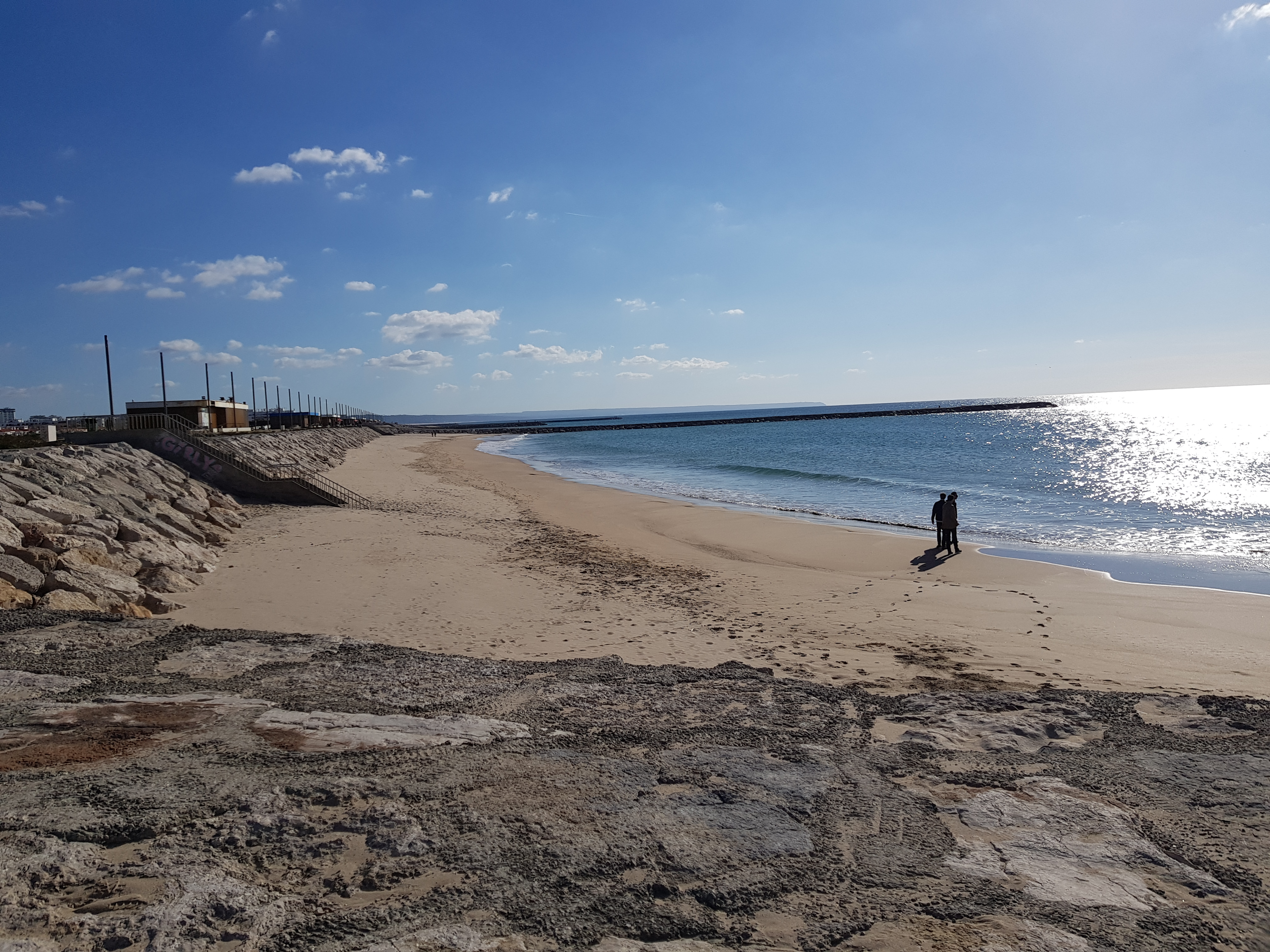
Friday morning we hopped on the bus to our first hydraulic related excursion – the coast of Caparica with coastal geologist Celso Pinto. We had an introduction to the sediment distribution along the coast and the problems the locals are currently facing. We had a tour of the coastal structures that are currently in place and how the coastline has developed over the recent years. This was an extremely interesting case and tested us to think strategically and consider different viewpoints with different challenges than those in the Netherlands.
The afternoon was spent touring the city in true tourist fashion during a walking tour of Bairro Alto, a neighbourhood in the city. We discovered hidden gems of Lisbon and ended the evening eating at Timeout food market where we were spoiled for choice for food and wine.

Saturday morning we were up bright and early and headed towards Alqueva Dam which was our second educational trip of the weekend. The two-hour drive flew by and before we knew it we were staring at the largest dam in Europe. This was a breathtaking construction and it was difficult to imagine the enormous volume of water it contained. After an explanation of the area and the dam, we had time to take some pictures and then it was time to head back.
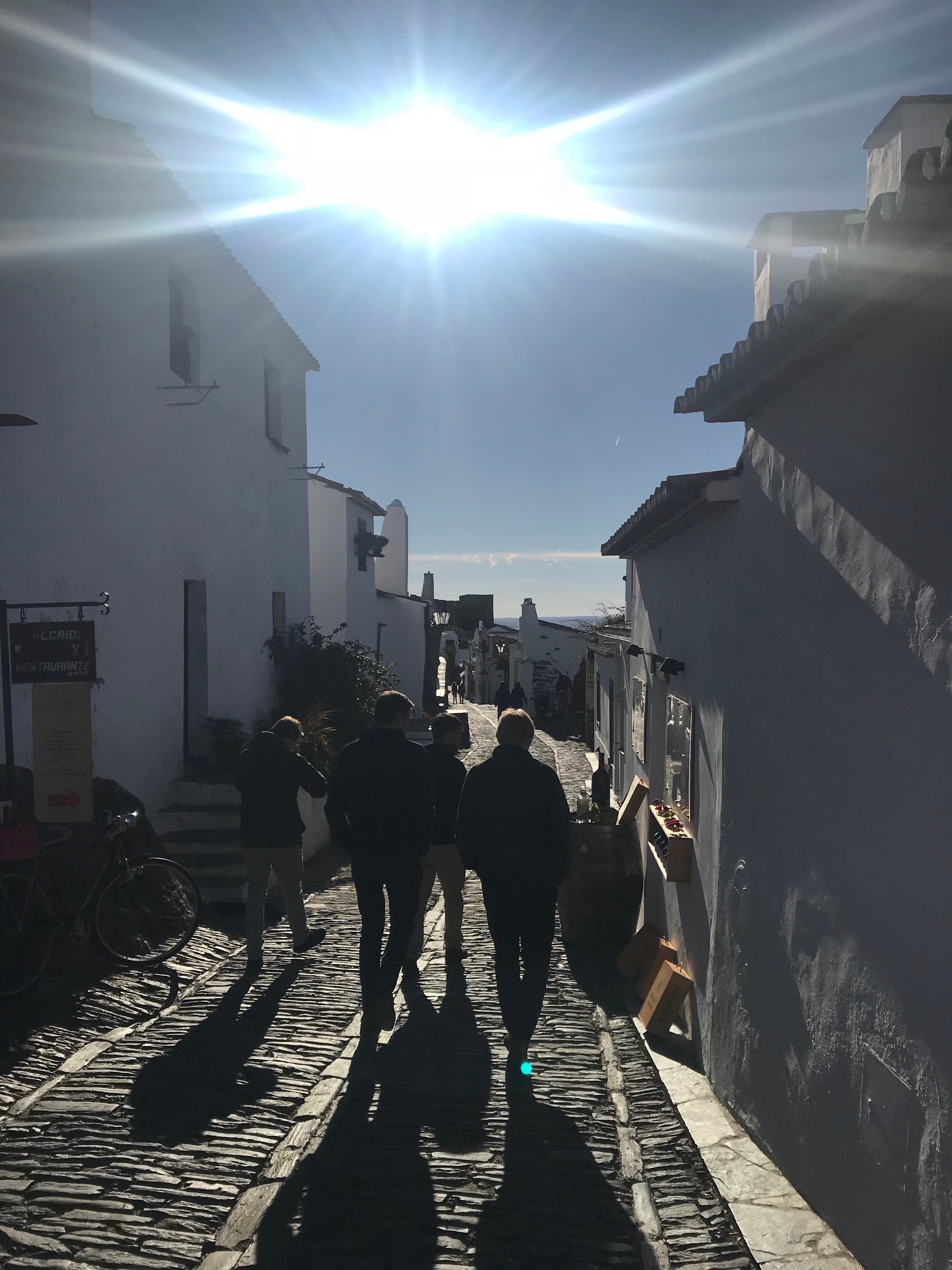
On the way back to Lisbon we had a pit stop at Monsaraz, a civil parish near the Spanish border. Lunch in the afternoon sun, and a view of the horizon where Spain lies made for the perfect time to recover from a long day. This was also the last night of the trip and we celebrated in style back in Lisbon at a classy restaurant where we ate like kings.

Sunday may have been the last day but an evening flight meant that the daylight hours could be taken advantage of. We started off with the last excursion to an Oerias Marina where we marveled the huge breakwaters and listened to the stories of 15 meter high waves causing chaos in the past. We spent our last hours in Portugal enjoying the sun and views of the blue coastal waters of Cascais.

Overall our time in Lisbon was filled with laughter, learning and lots of sun, little did we know that about a week later we would be covered in snow back in the Netherlands.

Master Community 1

The Hydraulic Engineering Student Association (‘Het Waterbouwdispuut’) organises a student/TU Delft staff meetup twice a year that focuses on a different particular subject every event. The main aim of the events is creating an informed and well connected climate among the hydraulic engineering students. The first master community of the 17/18 year aimed to focus on track/field choice and what it is like to work for the TU Delft. Since hydraulic engineering covers a wide spectrum of subjects, it is important to inform students as early as possible on their options. The host of the day was dr. ir. Stefan Aarninkhof and our speakers for the day were four PhD’ers from different fields within hydraulic engineering.

After the presentations, students were given the opportunity to have a chat with the PhD’ers and ask for any specific unanswered matters and opinions. From the received feedback from our students we can conclude that the first Master Community was a great success and that the chosen subject was very relevant to our staff and students!


Master Kick-Off

One of the most important and biggest activities organised by Het Waterbouwdispuut is the master kick-off day. About 100 students start their masters Hydraulic Engineering every year and participate in the event. The master kick-off day is the first activity in the new academic year which brings all new Hydraulic Engineering students together to get to know each other, the faculty and some of the professors. It is a busy day with presentations, excursions and a big barbeque with drinks. 

The day started with presentations of Het Waterbouwdispuut, the master coordinator, and a professor. After approximately an hour of presentations, the first Hydraulic Coffee of the year took place. The Hydraulic Coffee is an event that takes place every week, where everybody can talk to each other, meet fellow new students and the department. Afterwards, four busses took off to visit several Hydraulic Engineering projects. These projects were hosted by Rijkswaterstaat, the Port of Rotterdam, BAM International and the TU Delft.

Around 6 o’clock we all arrived back in Delft, and a big barbecue with drinks was waiting for everyone. 


Study Tour 2017

Written by Floortje Roelvink

After months of hard work, a lot of coffee from Niek, some beers, moments of panic about credit cards and visas, asking professors to accompany us, beautiful selfies and a fantastic hydraulic drinks the time was finally there: The big study tour of Hydraulic Engineering 2018! The choice for the location was easily made.  The name India is derived from the word ‘drop’, and Sri Lanka hangs down as a drop beneath India, it cannot be any better than that was our opinion.

We started our travels in India. Late in the evening we arrived at Mumbai, where we were immersed in the Indian night life. Booties were shaked at us, hands were thrown up in the air, this was a good start of a week full of trips to companies, days full of culture and long walks through the wilderness of India.

The first company visit was Van Oord India. After a couple of interesting presentations about their pursuits, their corporate social responsibility and a delicious lunch we went to the harbour of Mumbai. A ship was waiting for us to give as a tour through the harbour past all the Van Oord vessels.  At five o’clock, the time was there to have a beer at the stock exchange and soon after that a wonderful dinner accompanied by Indian dancers was served. What an interesting day, where we learned a lot about the Van Oord projects in India en their view as a company.

To stay in the flow, the next day was all about visiting companies, namely Fugro India. A series of presentations gave us a detailed image about the activities of Fugro, which was reinforced with a tour of all the different departments. De closing lunch gave us the opportunity to ask our questions and ask for more information. After this we went back on the bus to explore the city centre some more.

After three days of Mumbai, it was time for a change of scenery; we went on the road to Pune, a nice city with a lot of green and a nice hostel. We played loads of board games and drank beers because this was our free time! A walk to a fortress was on the schedule. The view of the Rajgad fort should have been breath taking but unfortunately the dense mist made it impossible to even see your own hands. This didn’t spoil the fun though, through the rain en mud we climbed up the mountain en almost as cheerful we made our way down. The next day did not go without a hitch either. The bus was a small five hours late, with as a result that we could not visit the dam. On the bright side we made it to Mumbai the end of the day. We had another two days to explore the beauties of this city before we flew to Sri Lanka.

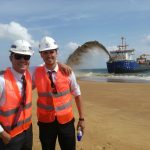
When we arrived in Sri Lanka we suddenly realised how extremely crowded it was in Mumbai. Sri Lanka was so peaceful and quiet in comparison. We strutted along the boulevard, visited the very polluted Laguna of Colombo and some temples and again enjoyed the various foods Sri Lanka had to offer. After a couple of days the day had finally come, the dream for every hydraulic engineer, thé big land reclamation of Colombo: Port City Colombo. Eelco Bijl of CDR lead us past gigantic tetrapods, an active dredger, the Chinese offices and employees and the enormous breakwater the harbour assets. With a lot of anecdotes and an interesting presentation the story of Port City became clear to us. It was pointed out to us that there are a lot of political, economical and social aspects important for the project and for Sri Lanka in general. After the serious part of the day we went to one of the most fancy hotels of Colombo and while enjoying a nice cold beer, followed by a dinner, we reflected on the fun day.

The rest of the week we had a lot of free time and spent this almost entirely on the beach. We saw the erosion processes from up close and the strong impact of waves on the beach. We tried surfing, relaxed in the hot sand and took long walks down the beach of Tangalle en Hikaduwa. Our last company visit was with the Chinese company CHEC together with CDR. We visited the port of Hambantota, a huge port where no ship ever moored. Again the combination of politics and hydraulic engineering became very clear. Nevertheless it was again an interesting visit, which ended with a nice lunch.

These two weeks were absolutely fantastic. We had a lot of interesting company visits, boardgames, culture, nature and of course the most important thing of all; a lot of hydraulic engineering. We want to thank all the companies, participants and mentors for these amazing two weeks!


Hydraulic Coffee

Being the Hydraulic Engineering student association, we are considered to create and maintain the link between students, professors, hydraulic companies and ourselves. We do so by keeping everyone updated by sending newsletters and magazines, organizing field trips, case studies, guest lectures and other activities like Master Communities. Also, we will be the central contacting point for students and others to ask questions, to gather information about activities or to get a nice hydraulic chat.

For this purpose, we organize a weekly coffee break for all Hydraulic Engineering students and the whole Hydraulic Engineering department. It is a very casual and regular event. We’ll make sure there is enough coffee and tea for everyone, and knowing there will be delicious cookies as well, you know you should be there!

The schedule for the Hydraulic Coffee is presented below and will always start at 10.30 AM in front of our office, room 3.72. Every last Coffee of the month will be hosted at the Waterlab. Check also our Facebook or ask someone of the board. It might be your chance to register yourself for upcoming activities or ask that question you wanted to ask your professors!


Schedule

The schedule for the first part of 2018-2019 is as follows:

September 2018: Tuesday

October 2018: Wednesday

November 2018: Tuesday

December 2018: Tuesday
(Exception: No coffee on Tuesday the 4th, but a very special coffee on Wednesday the 5th with a ‘Sinterklaas’ Edition)

January 2019: Tuesday

February 2019: Wednesday

March 2019: Tuesday

April 2019: Tuesday

May 2019: Tuesday

June 2019: Tuesday

See you there!

Study Tour 2018

Written by Sebastiaan Woerlee


As one of the world’s most prominent players in the field of hydraulic engineering, the People’s Republic of China keeps surprising us with astonishing projects like dams, ports and coastal infrastructure on scales that some might consider to be inhumane. The present situation in China moreover seems to attract plenty of attention, not only from an engineering point of view, but also with regard to political and economic questions. We could say that visiting this country and experience their working culture is more attractive than ever before.

These summer holidays ended with a bang for eighteen hydraulic engineering students, accompanied by dr. Mark Voorendt and prof.dr.ir. Zheng Bing Wang. It all started with an exhausting flight from Amsterdam via Moscow towards the first destination of the study tour, the city of Shanghai. Although you will not experience the “real” China here (not a single more western place to find in China), it is a metropole to never forget. With almost 25 million people living here, it is world’s most populated municipality at present. In the city life, this is reflected by highrises stretching out as far as you can see. To witness this, a ‘Shanghai-light’ tour was organized on the first day, watching the impressive skyline from The Bund and climbing one of the highest skyscrapers in the Pudong financial district to have an overview of how big Shanghai actually is.

To escape the immense tourist crowds in the city center, we had planned an excursion to the Yangtze estuary on the next day. After an early morning bus ride, we crossed the estuary by ferry, meanwhile witnessing the majesty of this river mouth and all gigantic vessels and cranes that came along with it. We were dropped off at Chongming island, an ecological island with a vast amount of salt marshes and nature reserves. Unfortunately, due to high typhoon activity in the days before we arrived, the park entrances were blocked, leading to an early end of this day. Luckily we still received some explanation about the Yangtze estuary the next day at the research facilities of SKLEC. Also, we paid a visit to the Dutch consulate on the same day, to be informed about the differences in working culture between the Netherlands and China.

Next on the list was the city of Wuhan. A thousand kilometers more inland we expected a little more quietness, however the opposite turned out to be true. With ten million inhabitants and situated on the crossing of the Yangtze and the Han river, Wuhan is the most populated city in central China. The reason of our visit was to pay a visit to the world’s largest dam and largest power station in terms of installed capacity (22.500 MW), the Three Gorges Dam. The university of Wuhan had arranged a special tour for us, in which we had the opportunity to actually go on top of this enormous concrete structure. An unforgettable experience. It took hours for us to see the most interesting spots, such as the shipping locks and the spillways. A long day, but definitely one of the highlights of the study tour.

At the end of the first week, we visited Nanjing, again located along the Yangtze river. We paid a visit to Hohai University, having strong connections with the TU Delft. This made it possible for us to really get to know the campus and the students. We even got invited for dinner, so that we could learn some Chinese traditions. We all expressed our gratitude to the host by approaching him personally with a glass of rice wine, lowering our glass a little lower than his to show our respect. The Chinese students gladly joined, resulting in a lot of fun and good conversations.

On Sunday, we took a look at the extensive research facilities of the Nanjing Hydraulic Research Institute (NHRI), which were so large that we had to be transported with big golf carts to see all the experiment labs. The next day, another hydraulic highlight was planned. Today we were going to see one of the largest tidal bores in the world! We were being warmed up with some model simulations, after which we headed to the bore location. For an hour or so, we chased the tidal bore by watching it and then hurrying into the car with a loud “kuài kuài!” (fast, fast!) to arrive at a new spot, yelling even louder since it grew bigger and bigger. At the end of the bore hunt, we even saw a reflected tidal bore, which grew so big that it rose above the quay wall, resulting in many wet shoes.

After this, we planned some days to see some of China’s nature and culture. We climbed Mt. Huangshan, better known as the Yellow Mountain, argued to be the most beautiful mountain in China. In addition, we got an impression of the city of Hangzhou, famous due to the city’s natural beauty and location along the fabled West Lake.

Our very last day was dedicated to the Yangshan deep water port, the busiest container port in the world, which is connected to the mainland via the 32,5 km long Donghai bridge. This excursion was organized by the Shanghai Dredging Company. After our visit, we were invited into the office of SDC, where we had a big meeting with some of their directors, including the president. At the end of the day we even got the opportunity to enter the terrace on the top of their office, located at the middle of The Bund!

With this, our study tour came to an end. A lovely two weeks full of activities which were really enjoyable. We got to know a little bit more of China, although there is still so much more to discover. A big thanks to the ‘Three Gorgeous’, clearly visible as the flag-bearers in all group pictures, for the photographic control during the trip. If you are looking forward to have an experience such as this one, please do not hesitate to sign up for next year’s version!
« van 2 »